3D Configurator
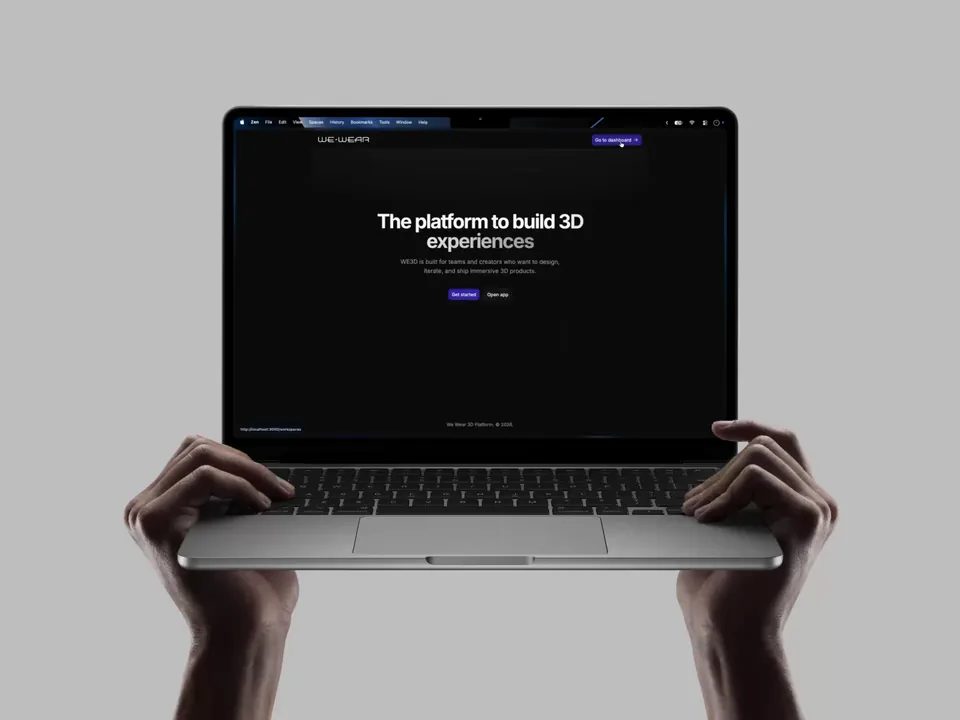
A no-code platform for building and publishing interactive 3D experiences without an engineer.
- 2026
- Platform
- 3D
- TanStack Start
- Three.js
- Fullstack Engineer
Challenge
Every 3D experience was built by an engineer. A developer set up the model, its materials and the options a customer could pick, and nothing could be shown until that was done. Every change after it was another ticket, so each experience moved at the speed of the dev queue.
Solution
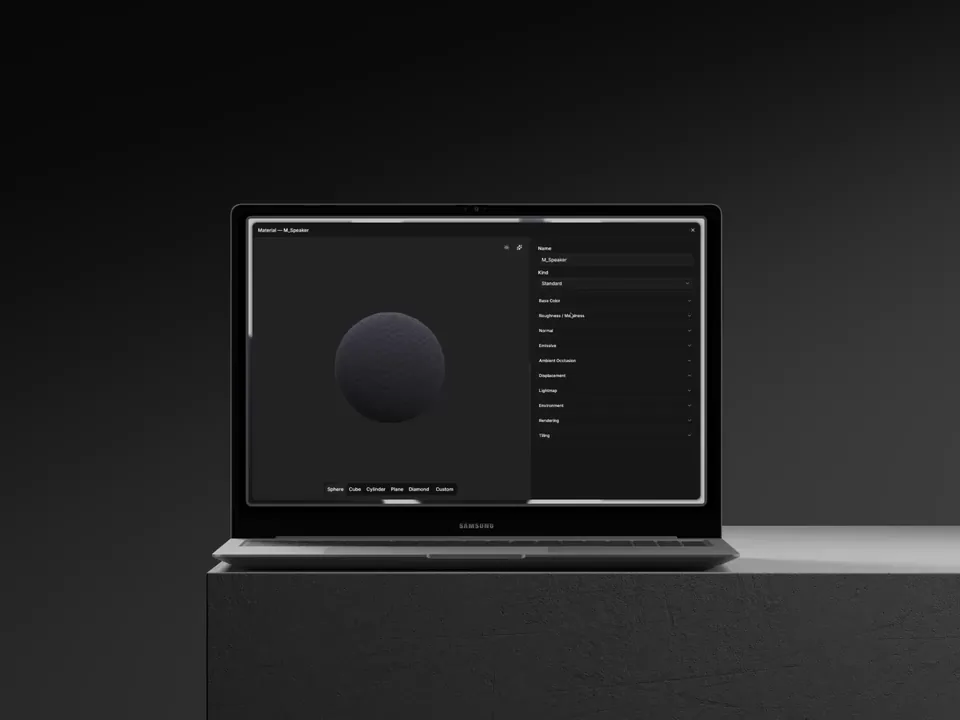
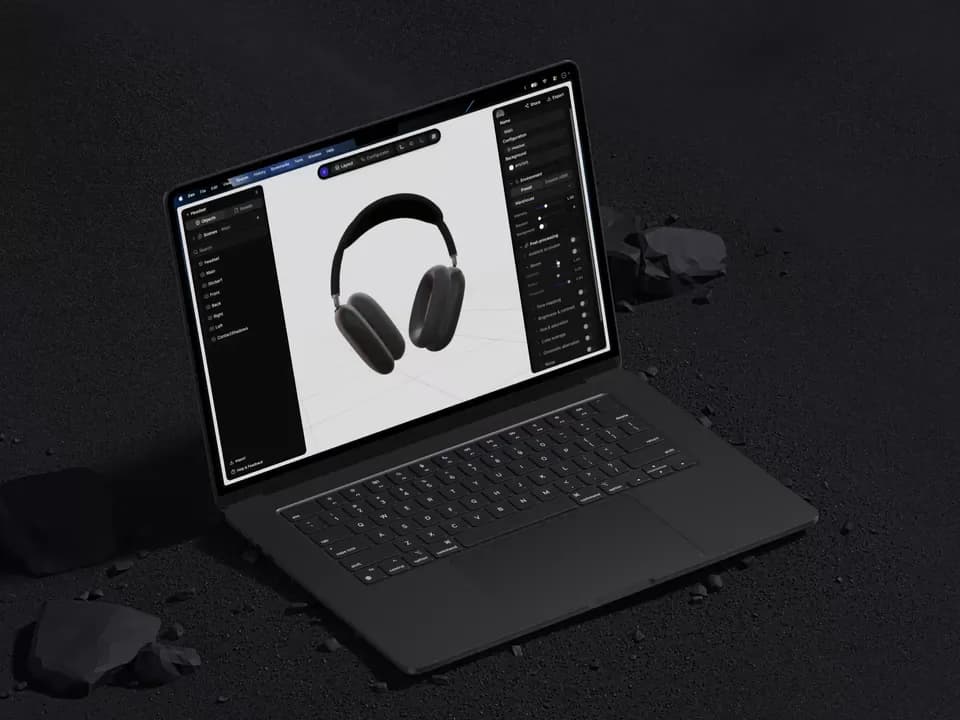
I built it so making an experience no longer needs an engineer. A workspace holds the projects, and teammates join by email invite with a role. The material editor builds PBR materials from the project's own textures, one channel at a time, and previews each change on a sphere, a cube or a plane. Lighting comes from a preset or a custom HDRI, and a post-processing stack finishes the look with ambient occlusion, bloom, tone mapping and colour adjustments.
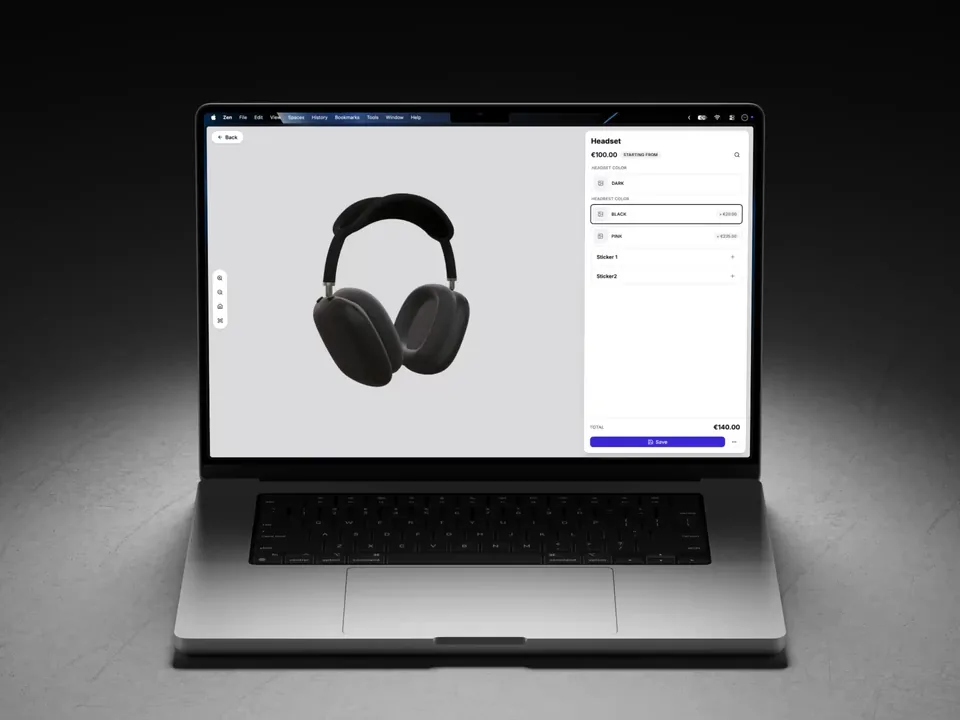
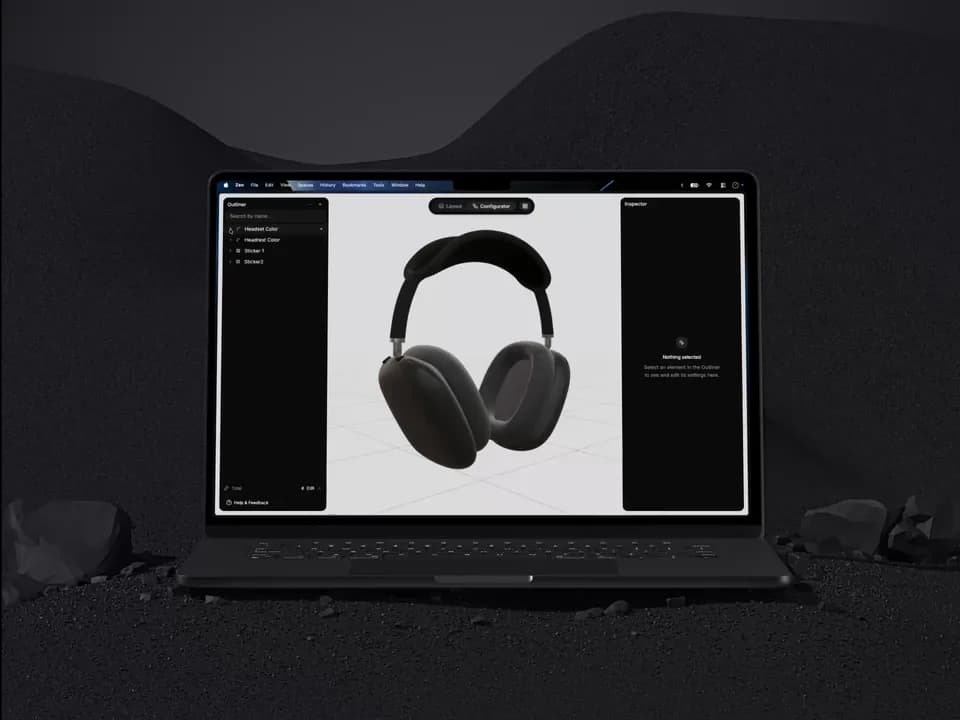
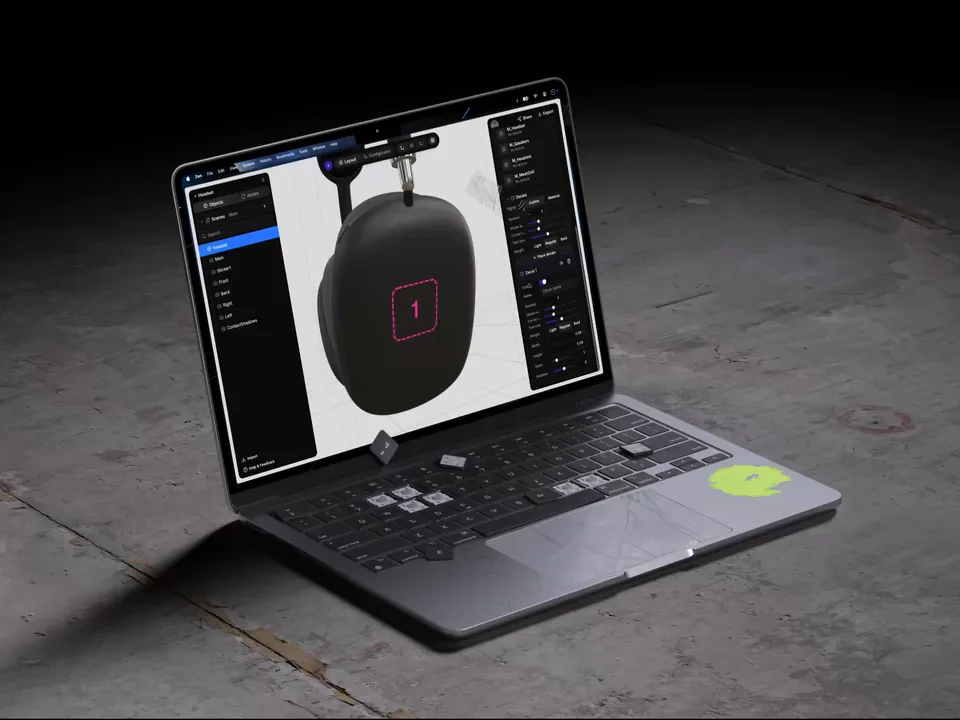
Next comes what the customer is allowed to change. The variant manager sorts options into sets, a headset colour or a headrest colour, and each option carries a price, a thumbnail and the material it swaps in. An option can depend on one in another set, so picking it switches that one on too. Decals mark numbered zones on the surface, and each zone becomes a slot the customer fills with an image or a line of text.
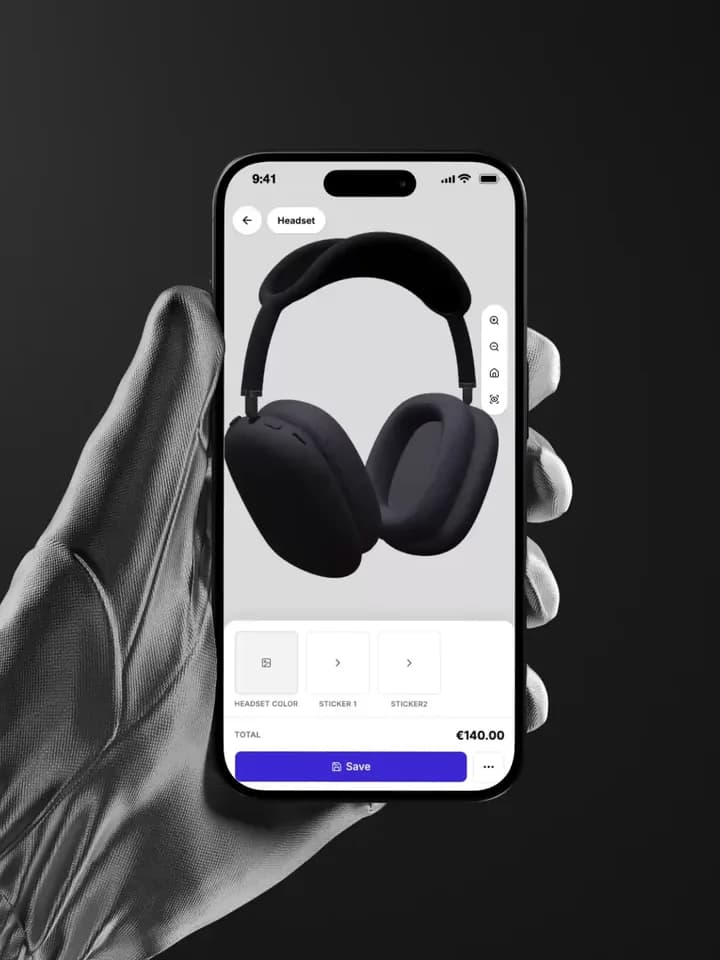
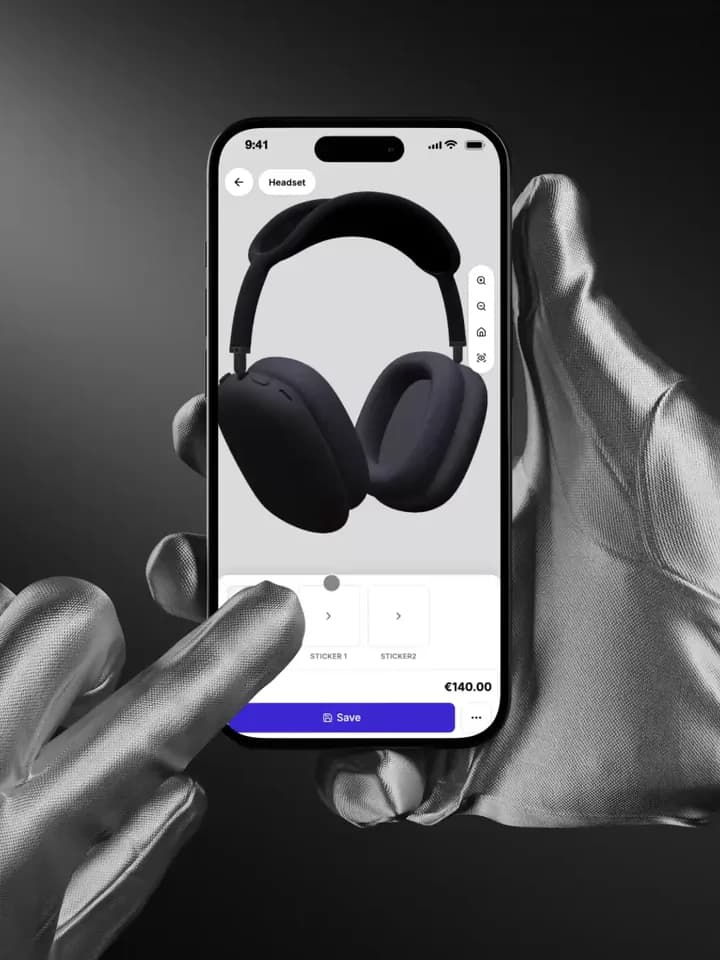
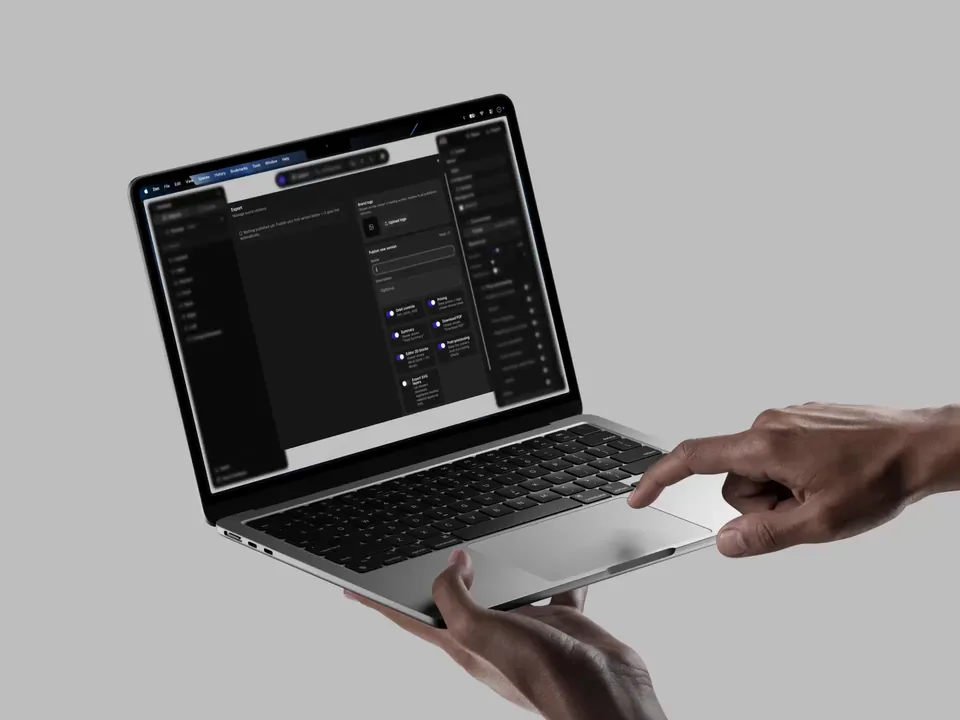
Publishing cuts a numbered version and hands back a public URL, so an experience goes live without a deploy. The export decides what that version exposes: orbit controls, prices and a running total, a summary the customer can download as a PDF, the 2D sticker editor, the post-processing, and a brand logo on the loading screen. On a phone the options move into a bottom sheet and the sticker editor goes full screen.
Results
Building an experience stopped being an engineering ticket. The people who need one build and publish it themselves.
A new price is an edit and a new version, not a release.